
Low E Double Glazing
Windows can reflect, absorb, and transfer heat, so Low E coatings are used to improve the thermal performance of a window.
Low E is short for Low Emissivity, meaning a surface that emits low levels of radiant heat. When applied to glass, this invisible coating helps reduce heat transfer, keeping your home warmer in winter and cooler in summer.
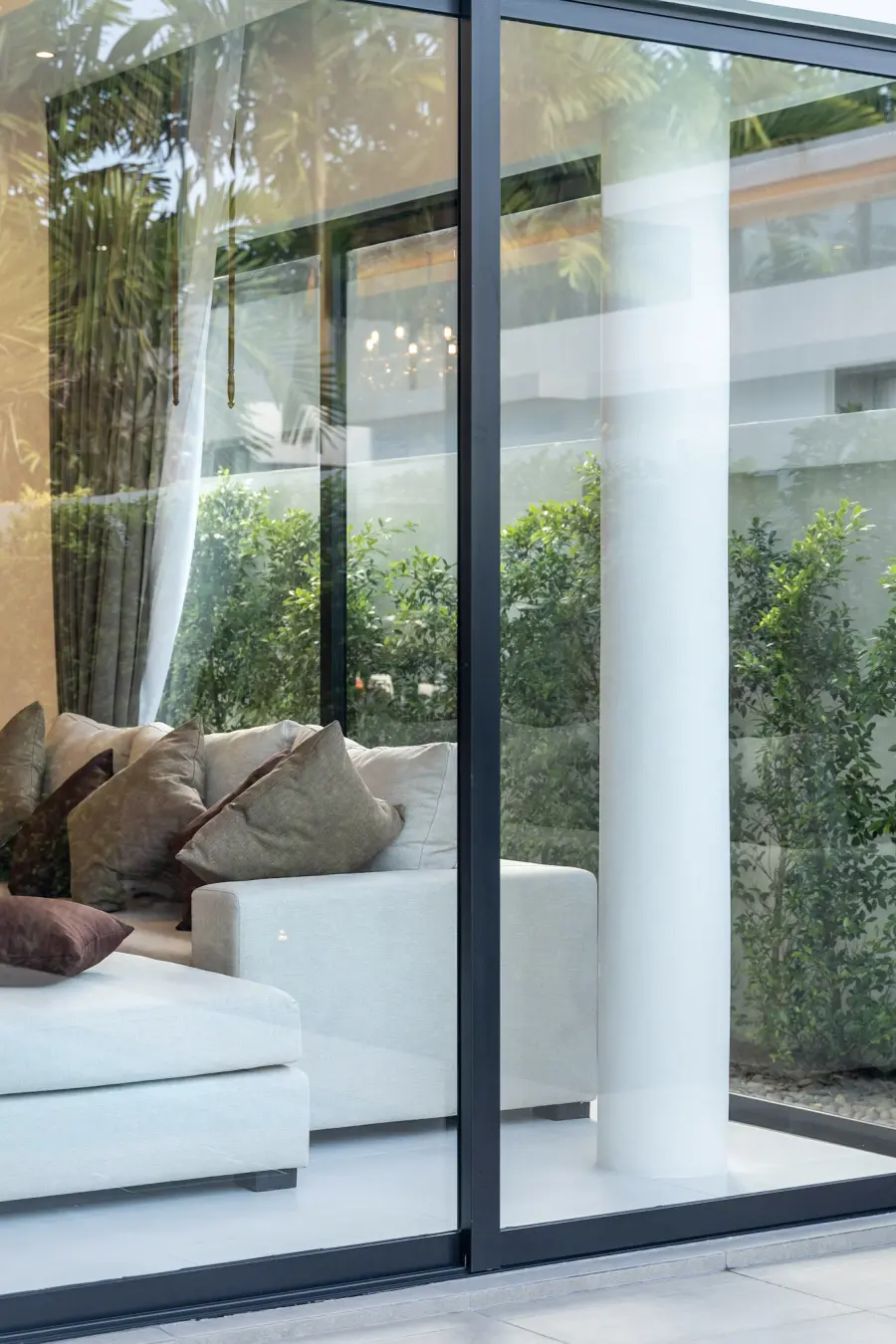
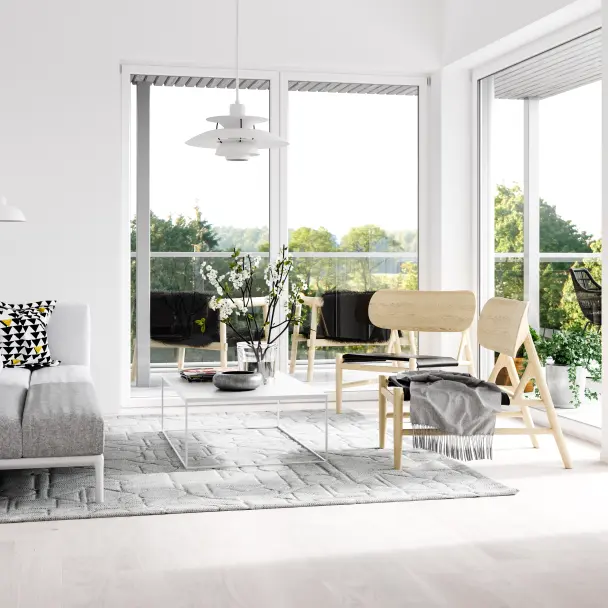
What is Low E glass?
Low E glass features a microscopically thin, transparent coating applied to the glass surface. Although invisible to the naked eye, this coating helps improve the thermal performance of your windows by reducing the transfer of radiant heat.
Unlike tinted or reflective glass, Low E glass maintains excellent clarity and allows plenty of natural light into your home, so you can enjoy improved energy efficiency without compromising your view.
How does Low E glass work?
Standard double glazing already provides a significant improvement over single glazing by reducing heat loss through two panes of glass separated by an insulating spacer.
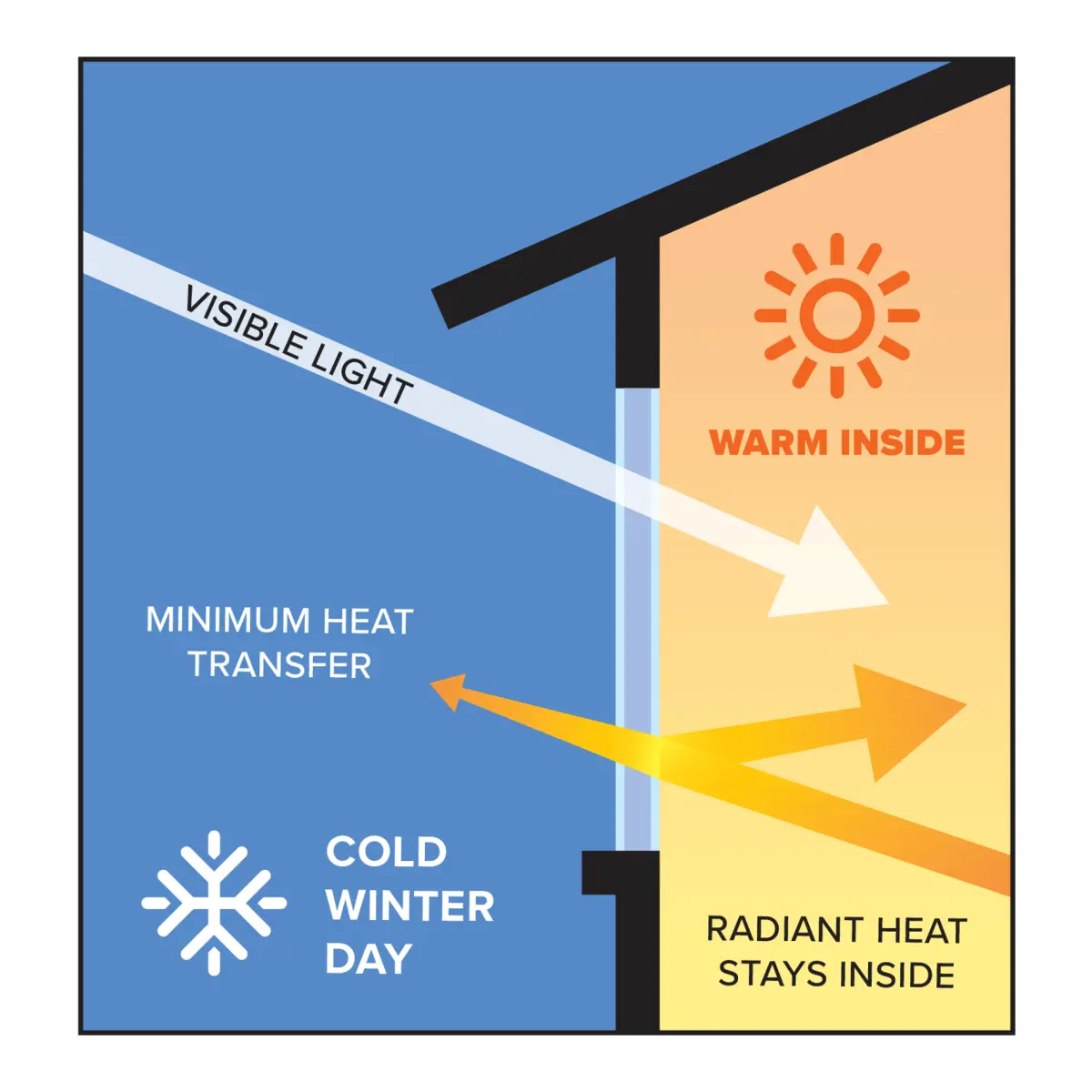
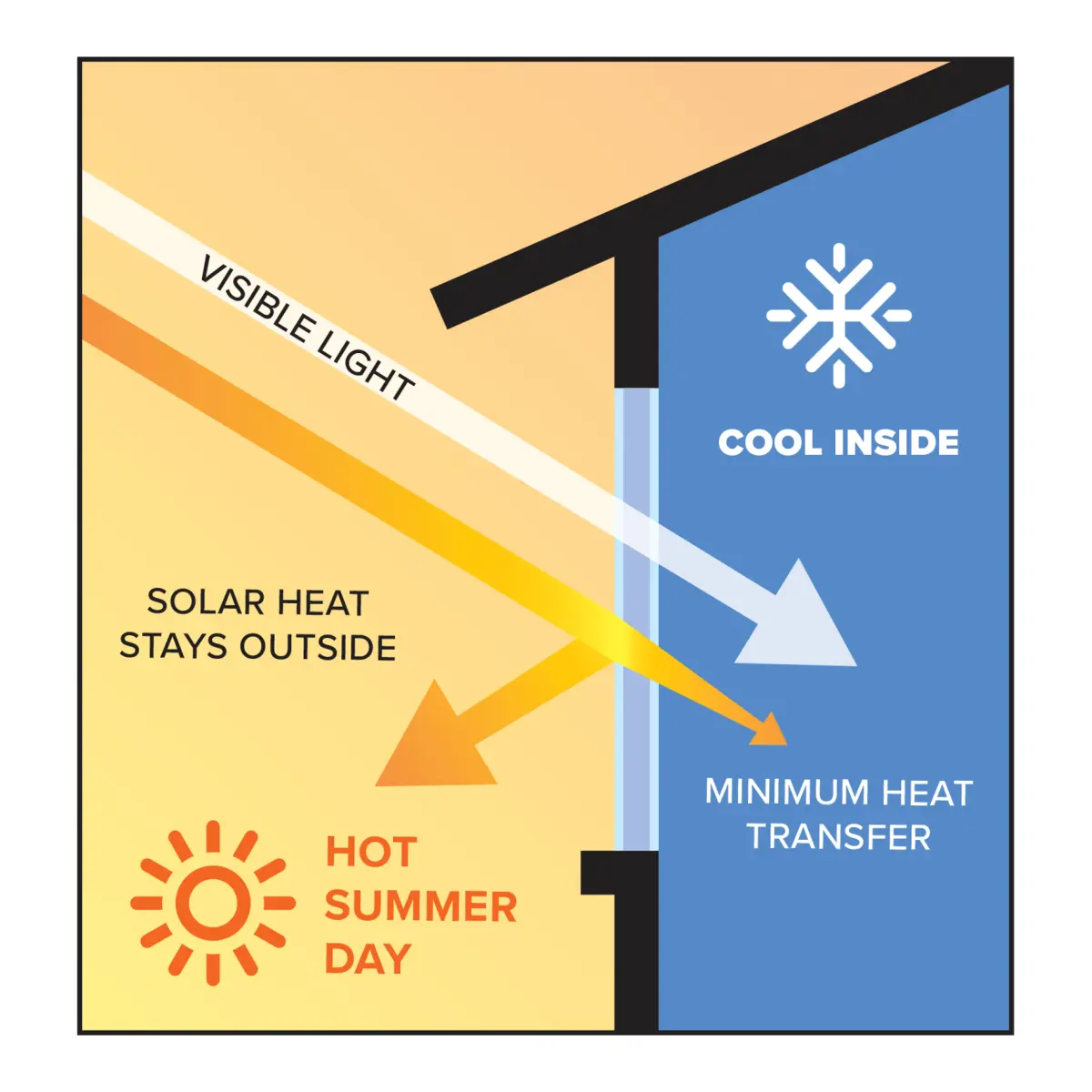
Adding a Low E coating further improves performance by reducing the amount of radiant heat that can pass through the glazing unit. In winter, the coating helps reflect warmth back into your home, reducing heat loss through the glass. In summer, it helps limit the amount of unwanted solar heat entering your home, making it easier to maintain a comfortable indoor temperature year-round.
For even greater thermal efficiency, Low E glass can be combined with argon gas between the panes. This creates a high-performance glazing solution capable of meeting modern New Zealand thermal performance requirements while maximising comfort, reducing condensation, and helping lower heating and cooling costs.
Benefits of Low E Double Glazing
Reduced heat loss
Significantly reduces heat loss compared with standard double glazing.
Helps meet H1 requirements
Improves the thermal performance of windows and can assist in meeting New Zealand Building Code energy efficiency requirements for new homes.
Lower heating and cooling costs
Helps reduce the energy needed to keep your home comfortable throughout the year.
Reduced condensation
Keeps the internal pane of glass warmer, helping minimise condensation.
Healthier living environment
Contributes to a warmer, drier home with less moisture.
Excellent clarity
The Low E coating is virtually invisible and allows plenty of natural light into your home.
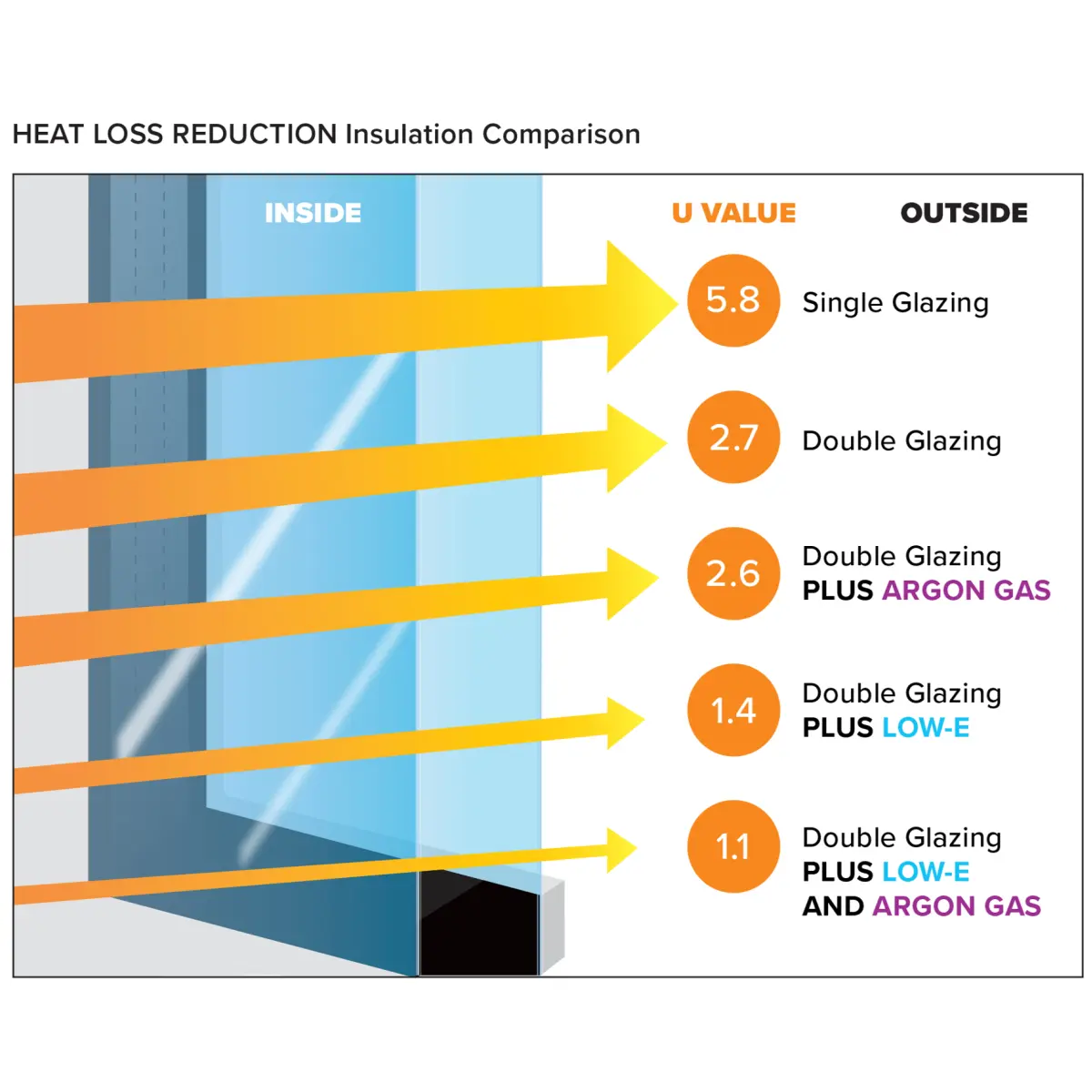
Reduce heat loss further with Low E double glazing
Double glazing helps reduce heat loss, but adding a Low E coating and argon gas can improve thermal performance even further. The diagram below shows how each glazing option reduces heat transfer through your windows.
What is a U-Value?
A U-value measures how much heat passes through a building material, including glass. It is commonly used to assess the thermal performance of windows and doors.
The lower the U-value, the better the insulation performance and the less heat that is lost through the glazing. Choosing Low E glass and argon-filled double glazing can significantly improve U-values, helping create a warmer, more energy-efficient home.

PLANITHERM® Ultra N Low E Glass
Stake Glass supplies PLANITHERM® Ultra N, a high-performance Low E glass from Saint-Gobain designed to deliver exceptional thermal insulation without compromising clarity or natural light.
When combined with double glazing, a thermal spacer, and argon gas, PLANITHERM® Ultra N can achieve a U-value as low as 1.1, providing outstanding thermal performance for modern homes and building projects.
Meeting H1 Building Code Requirements
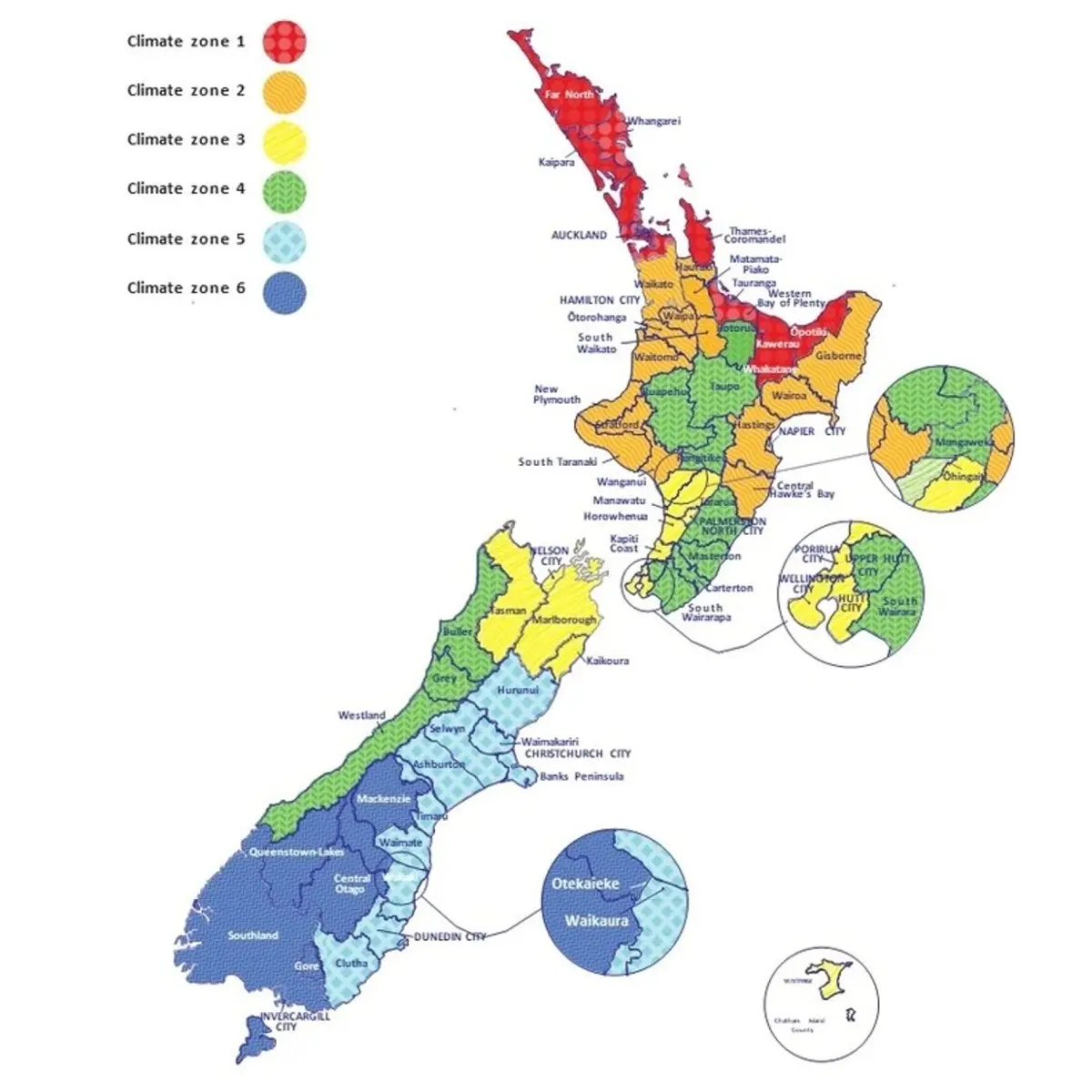
Changes to the New Zealand Building Code H1 Energy Efficiency requirements have increased the thermal performance standards for new homes.
As a result, many modern homes now require higher-performing glazing systems to achieve compliance. Low E double glazing combined with argon gas is commonly specified because it delivers the improved insulation performance needed to meet current requirements.
PLANITHERM® Ultra N Low E glass can help builders, architects, and homeowners achieve H1 compliance while creating warmer, healthier, and more energy-efficient living spaces.
Contact Us
Contact us today, for more information or request a quote.